How Many Calories Are in Ramen?
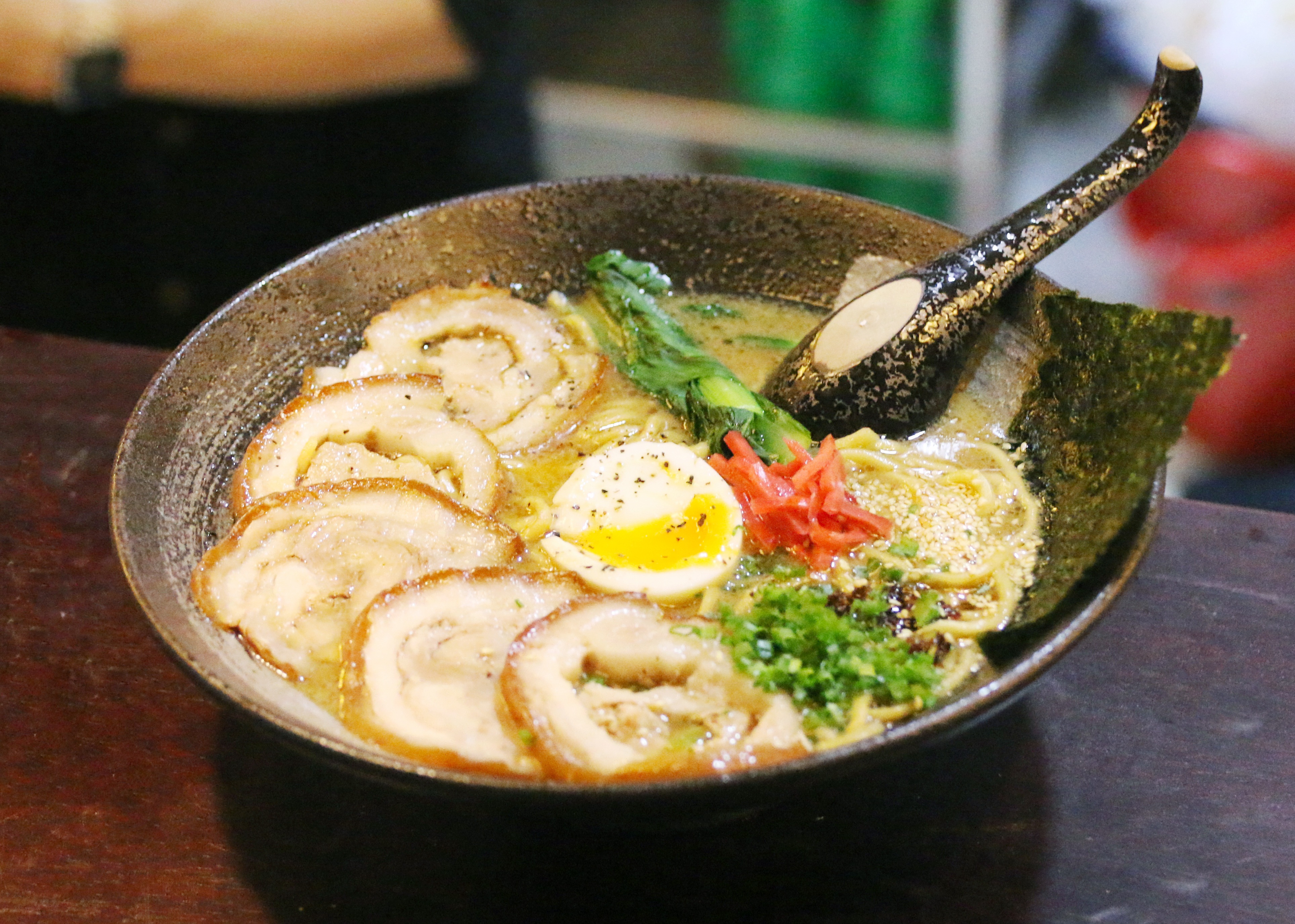
Ramen is one of those dishes where the toppings get all the attention and the broth quietly does most of the nutritional work. Chashu slices and a marinated egg matter, but the single biggest swing factor is which broth style is in the bowl before anything else goes in.
Standard bowl (tonkotsu, with chashu and egg)
| Nutrient | Amount | % Daily Value |
|---|---|---|
| Calories | 550–750 kcal | 28–38% |
| Protein | 25–35 g | 50–70% |
| Carbs | 60–75 g | 22–27% |
| Fat | 20–32 g | 26–41% |
| Sodium | 1,800–2,500 mg | 78–109% |
Sodium is the number that should actually surprise you here. A rich broth simmered for hours, salted noodles, and a soy-marinated egg can push a single bowl past a full day's sodium on its own — before anyone reaches for the shichimi or extra chili oil on the counter.
Where the calories come from
| Component | Typical serving | Calories |
|---|---|---|
| Tonkotsu broth | ~400 ml | ~220–280 kcal |
| Ramen noodles | ~200 g cooked | ~230 kcal |
| Chashu pork | 2–3 slices (~60 g) | ~140–180 kcal |
| Ajitama (marinated egg) | 1 half | ~70–90 kcal |
| Scallion, menma, nori | garnish | ~10 kcal |
Broth style changes more than any topping does
| Broth | Calories (bowl, no toppings) | Why |
|---|---|---|
| Shio (salt) | 350–420 kcal | Clear, thinnest, least fat |
| Shoyu (soy) | 380–460 kcal | Soy-based, still relatively light |
| Miso | 450–550 kcal | Fermented soybean paste adds body and fat |
| Tonkotsu (pork bone) | 480–600 kcal | Emulsified pork fat — the richest of the four |
Simple swap: leave the last third of the broth in the bowl. Almost all of ramen's sodium is dissolved in the liquid — the noodles and toppings underneath aren't nearly as salty on their own.
Shop ramen vs. instant ramen
A shop bowl and a packet of instant ramen aren't really comparable. Instant ramen (the fried, dried-block kind) usually runs 350–450 kcal per packet before you add anything, most of it from the fried noodle block and the seasoning oil — but it also has none of the pork, egg, or long-simmered broth that add both calories and protein to a shop bowl. Gram for gram, shop ramen has more nutrition attached to its calories; instant ramen has more calories attached to less.
Common questions
Is ramen broth actually made from bones for hours? At a real ramen shop, yes — tonkotsu broth in particular is simmered for 8-plus hours to emulsify the pork fat into the liquid, which is exactly why it's the richest broth style on the list above. Cheaper or faster versions cut that time down and lean on other thickeners instead.
Does a bigger bowl size change the ratio, not just the total? Mostly no — a large bowl is usually more broth and noodles in the same proportion, not a different ratio. The broth style still matters more than the size you order.
How Bao handles it
Bao recognizes broth style from the photo — color and opacity tell it apart from shio, shoyu, and miso — and counts toppings individually, chashu slices and egg included, instead of scoring every "ramen" against the same fixed bowl.
Stop guessing your macros
Bao gives you honest nutrition estimates for the food you're actually eating.
Get early access