How Much Protein Is in Taiwanese Snacks? Five Common Servings Compared
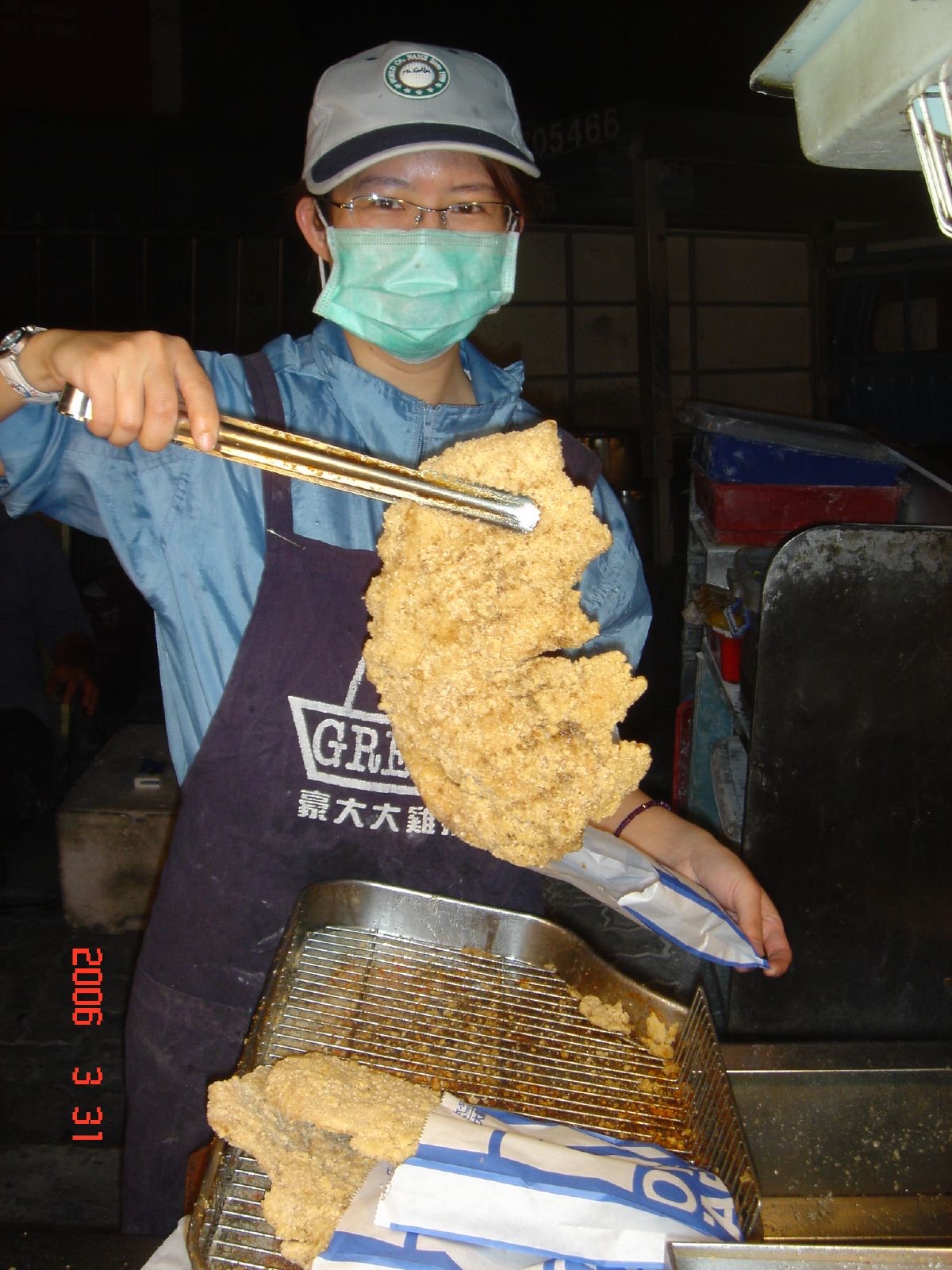
AI estimate: one fried chicken cutlet has about 35–45 g of protein, a bowl of beef noodle soup about 34–42 g and a plate of Hainanese chicken rice about 30–38 g. A basket of 8 xiao long bao has about 16–24 g and a plain egg crepe about 10–14 g.
All five numbers are for one serving, not per 100 g. Serving sizes differ a lot: a cutlet is about 220–260 g, a bowl of beef noodle soup about 600 g and an egg crepe only about 150–180 g. So if you only look at grams of protein, the biggest serving always wins. A fairer way to read it is protein per 100 kcal, and the last column in the table below is that, worked out from the top and bottom of the two ranges. The ranges are wide, so use it for ordering the snacks, not as an exact value.
Five snacks, calories and protein per serving (AI estimates)
| Snack | One serving | Calories | Protein | Protein per 100 kcal (calculated) |
|---|---|---|---|---|
| Fried chicken cutlet | One cutlet, about 220–260 g | 480–580 kcal | 35–45 g | About 6–9 g |
| Beef noodle soup | One bowl, about 600 g | 650–820 kcal | 34–42 g | About 4–6.5 g |
| Hainanese chicken rice | One plate (about 1.5 bowls of rice, about 150 g of chicken) | 550–700 kcal | 30–38 g (see the note below) | About 4–7 g |
| Xiao long bao | One basket of 8 | 400–520 kcal | 16–24 g | About 3–6 g |
| Egg crepe (danbing) | One plain, about 150–180 g | 280–360 kcal | 10–14 g | About 3–5 g |
The same protein can cost very different calories. The cutlet's protein comes from a whole piece of chicken, but the batter and frying oil push it to around 500 kcal. Beef noodle soup has solid protein, but it also brings a lot of noodles and sodium: about 1,500–1,900 mg in one bowl. The egg crepe is the lightest and also has the least protein; adding cheese or tuna adds 100–200 kcal, and the protein goes up with it. Xiao long bao are easy to underestimate: one piece has only 2–3 g of protein, and you need a full basket to get past 16 g.
Hainanese chicken rice needs a careful note. This site's earlier AI estimate is 30–38 g. The Hong Kong Centre for Food Safety whole-plate average is 6.7 g of protein per 100 g, which comes to about 20 g if a plate weighs 300 g (that weight is an assumption). The calories of the two are close (about 600 kcal), but the protein differs by more than 10 g, and it mostly depends on how much chicken you get. To reach the higher number, ask for extra chicken or a double portion.
Hainanese chicken rice protein: two sources side by side
| Source | Figure | Protein per plate |
|---|---|---|
| Bao AI estimate, per serving | One plate, about 1.5 bowls of rice, about 150 g of chicken | 30–38 g |
| Centre for Food Safety, per 100 g (via Bowtie) | 6.7 g protein and 201 kcal per 100 g | About 20 g (worked out from an assumed 300 g plate) |
This page only compares numbers. It is not diet or medical advice, and it does not set a threshold for what counts as "high protein." How much protein a person needs varies; ask a dietitian if you need to know. Bao reads portion size, batter and toppings from a photo and estimates the protein in that serving, and even a careful number is not a guarantee.
Frequently asked questions
Which Taiwanese snack has the most protein per serving? By this site's AI estimates, a fried chicken cutlet at about 35–45 g and a bowl of beef noodle soup at about 34–42 g are the highest, with a plate of Hainanese chicken rice at about 30–38 g. The cutlet is also about 500 kcal and the noodle soup about 650–820 kcal, so they are the highest in calories too. These are estimated ranges for common serving sizes, not exact values.
How much protein is in a basket of xiao long bao? About 2–3 g per piece, so about 16–24 g for a basket of 8, at about 400–520 kcal (AI estimate). The Hong Kong Centre for Food Safety lists xiao long bao at 9 g of protein per 100 g, which points the same direction as this range.
Is a Taiwanese egg crepe high in protein? A plain egg crepe is about 10–14 g, the lowest of these five, at about 280–360 kcal. Adding cheese or tuna adds 100–200 kcal and raises the protein too, but by how much depends on the amount of filling, and there is no per-ingredient figure here (AI estimate).
Sources
- All numbers are AI estimates, not exact values. The per-serving figures for the cutlet, beef noodle soup, Hainanese chicken rice, xiao long bao and egg crepe come from this site's own AI-estimate pages: fried chicken cutlet, beef noodle soup, Hainanese chicken rice, xiao long bao, egg crepe (2026-11-01 versions).
- Centre for Food Safety per-100 g figures (Hong Kong Centre for Food Safety, via Bowtie, read on 2026-11-01): Hainanese chicken rice, xiao long bao. This is Hong Kong data, not data from Taiwan's Ministry of Health and Welfare.
- The "protein per 100 kcal" column is this site's own calculation.
Stop guessing your macros
Bao gives you honest nutrition estimates for the food you actually eat.
Download on the App Store